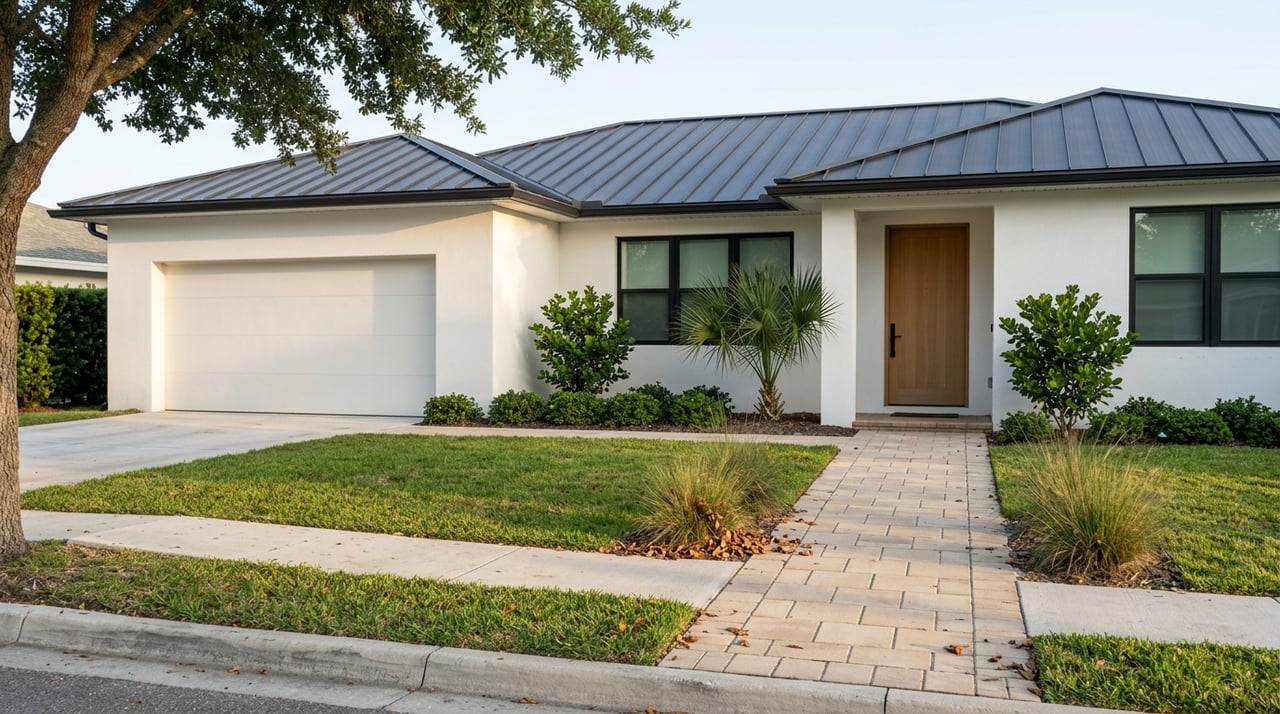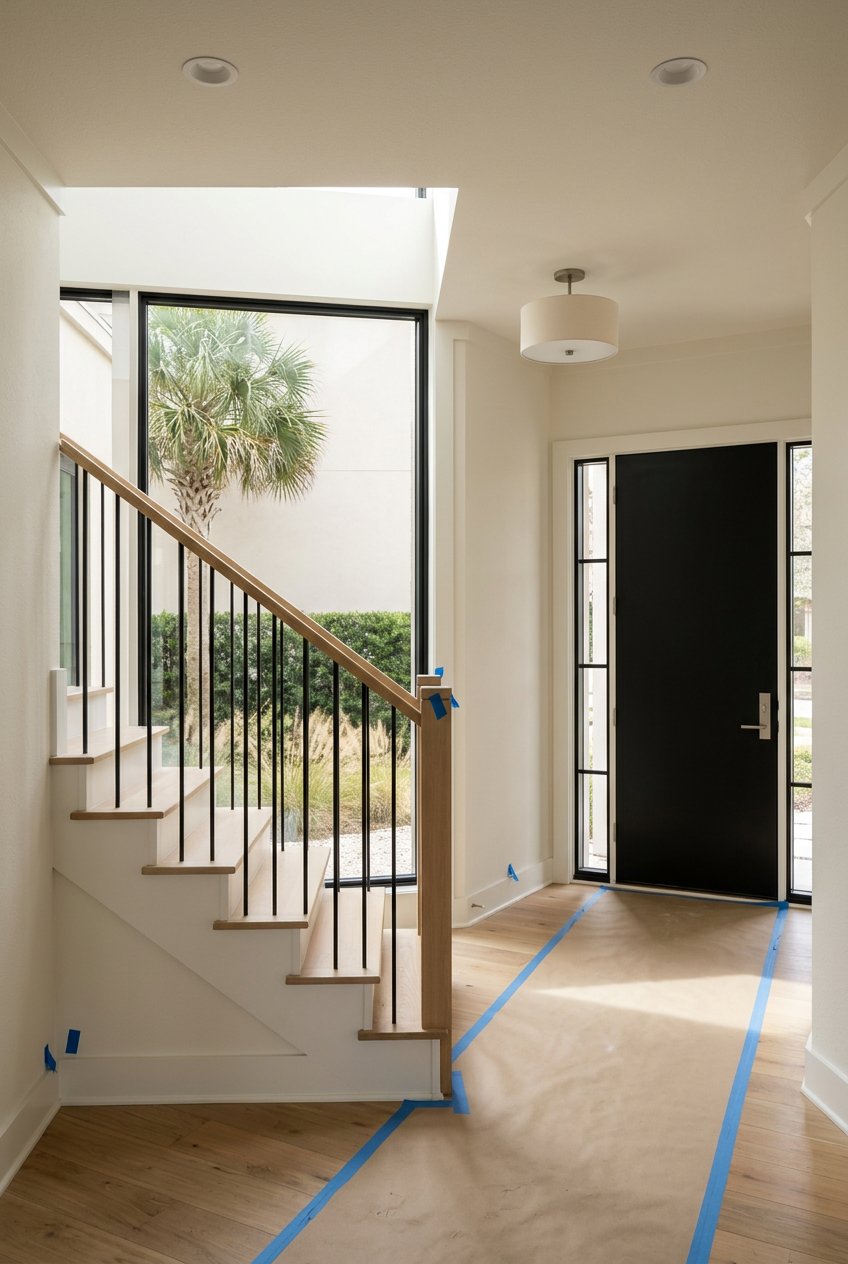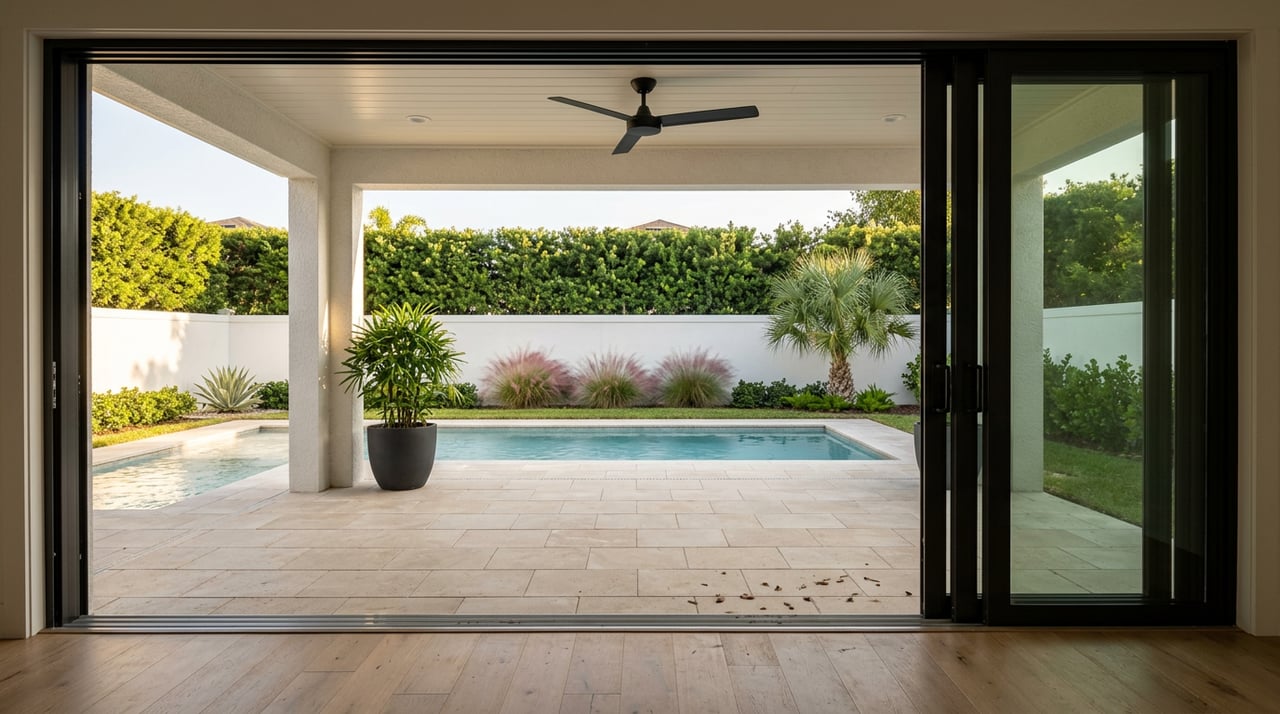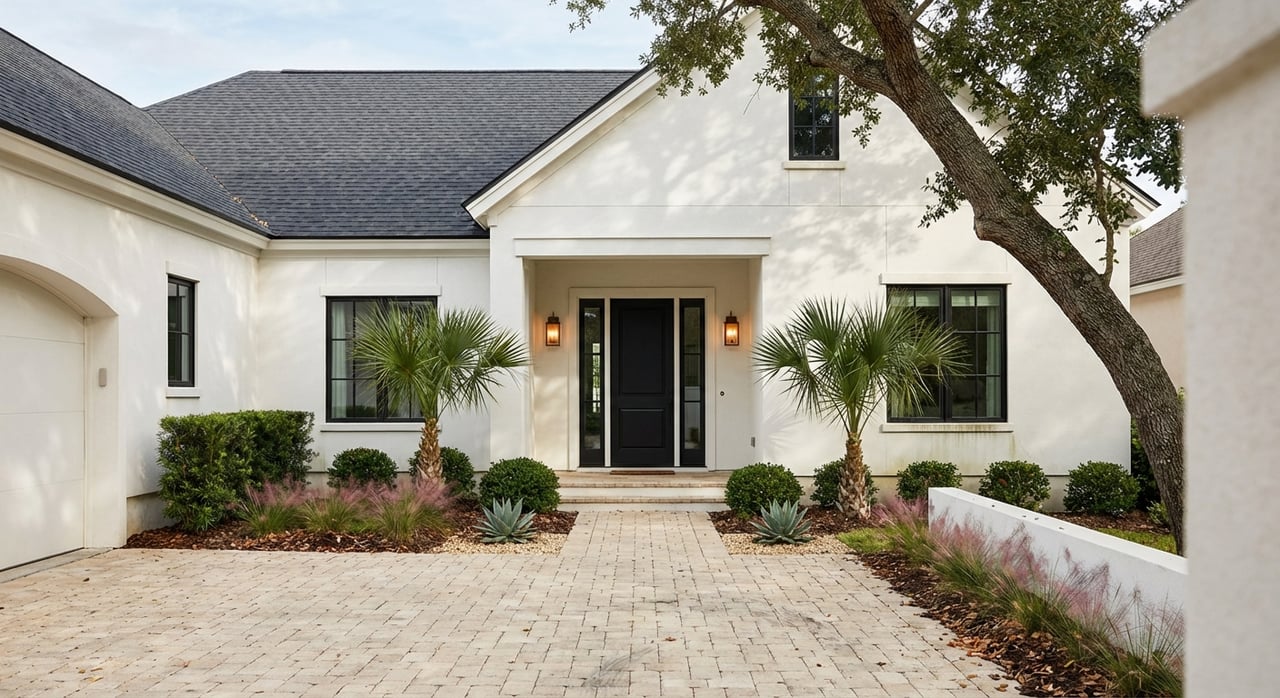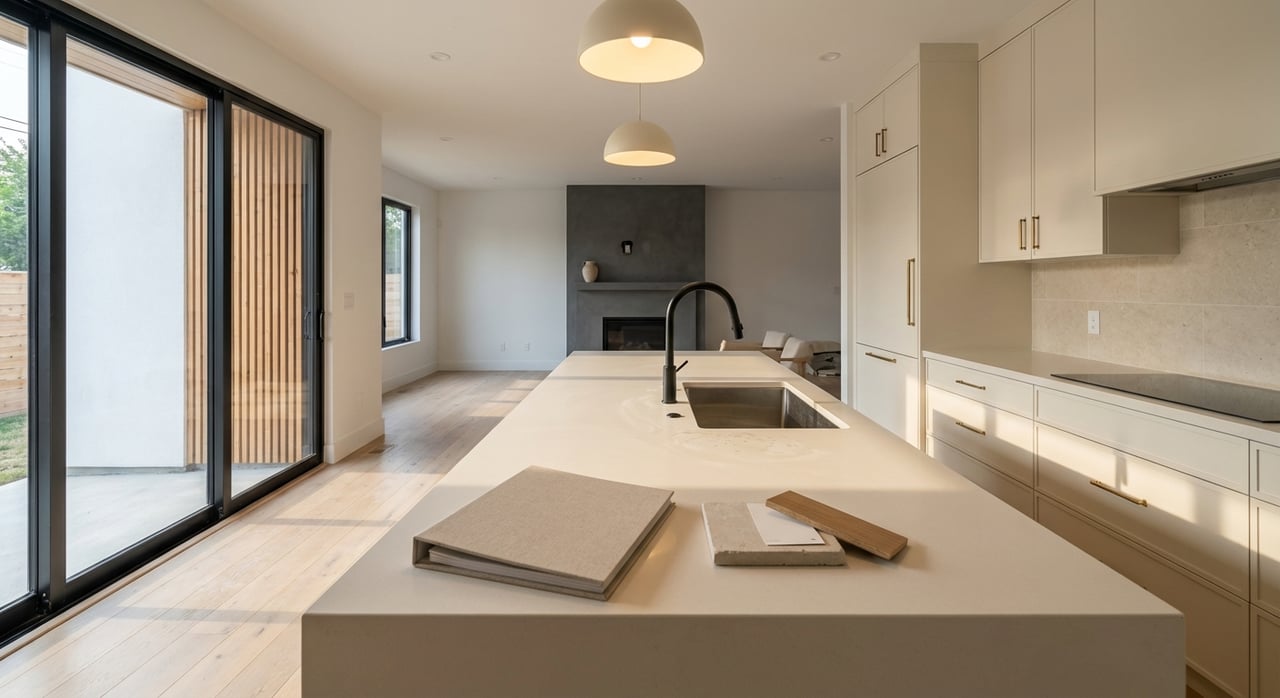
Thinking about fixing things before you list your Ponte Vedra Beach home? You are not alone. Many sellers ask if a remodel will boost their price or just delay the sale. In this guide, you will learn which updates reliably help you in our coastal market, what to skip, and how flood and insurance rules can shape your decision. Let’s dive in.
The Ponte Vedra Beach market today
Ponte Vedra Beach (zip 32082) sits at a higher price tier for Northeast Florida. As of February 2026, typical zip‑level values hover around the $800,000 range, while St. Johns County’s overall median is closer to about $525,000. In a more balanced market, buyers have more leverage and tend to scrutinize condition, especially larger items like roofs and windows.
What that means for you: because prices are higher here, even a modest percentage lift can translate to a meaningful dollar gain. Still, every project must pencil out on timing, cost, and likely payback at resale.
Four smart paths before you list
Use these as starting points. Your property, timeline, and target buyer will guide the plan.
A) Targeted repairs
Best when you want speed and certainty. Focus on safety and lender flags: fix leaks, HVAC issues, electrical hazards, visible wood rot, and broken windows. A roof at end of life can derail lending and insurance, so address it early. These repairs reduce negotiation risk and make your home easier to insure and appraise.
B) Light refresh
This is often the highest‑return approach. Think fresh neutral paint, deep cleaning, landscaping touch‑ups, modern lighting, and minor kitchen or bath facelifts. Pair it with quality staging. According to the National Association of Realtors, staging helps listings show better and can reduce days on market, which supports stronger offers. You can explore their findings in the NAR staging resources for more context on buyer impact. See the latest insights from the NAR staging overview.
C) Bigger renovations
Choose this path only when the upgrade clearly moves you into a higher comp tier, you have months to complete work, and the expected price lift outweighs cost. Large projects come with planning, permitting, and supply lead times that can push your listing date.
D) Sell as‑is with credits
If repairs are costly or time is tight, pricing with a credit can work. You avoid upfront capital and let buyers customize post‑closing. In a slower segment or for homes with major deferred maintenance, this can net more than a rushed remodel.
What actually pays off here
National Cost vs. Value data is a helpful baseline. Use it to shape budgets and expectations, then calibrate against local comps.
- According to the 2025 Cost vs. Value report, a minor midrange kitchen remodel has one of the strongest resale recoveries at about 113% on average. Window replacement tends to recoup around 76%, and an asphalt‑shingle roof replacement averages about 68% recoup. Wood deck additions have shown near‑top recoveries around 95%, while backyard patios are closer to 46%. See the full dataset at Cost vs. Value.
Kitchens: focus on a facelift
If your kitchen is clearly dated compared to neighborhood listings, a midrange facelift can deliver. Prioritize cabinet refacing or paint, updated counters, new hardware, modern lighting, and a clean backsplash. Keep the footprint and utilities in place to control cost. Full gut remodels often run long and recoup less proportionally.
Roofs: solve a financing roadblock
A failing or near end‑of‑life roof can scare off buyers and lenders. While replacement typically recoups a moderate share of cost, it removes a major objection and insurance hurdle. If the roof is older but sound, a roofer’s remaining‑life letter may help, but be prepared to negotiate. Once scheduled and permitted, many asphalt‑shingle replacements take about 1 to 3 days on site, though logistics can extend overall timing.
Windows and hurricane protection
Window replacement has a mid‑level resale recovery on average, but in coastal Florida impact‑rated windows can carry meaningful insurance and peace‑of‑mind benefits. If you plan to sell soon, consider spot‑replacing any failed seals or damaged units with impact glass, and highlight protection in your marketing. Full‑home window replacement is expensive, so weigh timing, cost, and projected buyer demand carefully.
Outdoor living for Florida lifestyles
Buyers value usable, low‑maintenance outdoor spaces. Thoughtful updates like a tidy screened porch, clean pavers, and refreshed landscaping can go a long way. Wood decks often recoup well, while patios recoup less on average. Avoid building a new pool solely for resale; instead, clean, resurface, and repair what you have and let location and privacy do the work in showings.
Timing and permitting in coastal St. Johns County
Project lead times can make or break your listing window.
- Kitchens: a typical midrange kitchen remodel often spans about 6 to 12 weeks from demo to final finishes, especially if cabinetry or counters have longer lead times. See a practical timeline guide from BathCalculator.
- Roofs: once permitted and scheduled, many asphalt‑shingle installs finish in 1 to 3 on‑site days. Build in buffer for permitting and material delivery.
- HOA/POA and county rules: many Ponte Vedra communities have architectural review for exterior work. Confirm county permit needs and HOA guidelines before committing to windows, roofs, or outdoor rooms that could delay your launch to market.
Flood, wind, and insurance: what changes the math
These coastal factors can influence buyer interest, lender approval, and long‑term ownership costs. Address them upfront.
- Florida flood disclosure: Florida law requires a flood disclosure at or before contract execution. Review Florida Statute Section 689.302 so you are ready with accurate information. Read the statutory language at the Florida Legislature site.
- Flood zone and documents: verify your parcel’s flood zone using FEMA’s tools and gather elevation certificates, any Letters of Map Amendment, and prior claim information. Start with the FEMA Flood Map Service Center.
- CRS discounts: St. Johns County participates in FEMA’s Community Rating System. Some buyers can benefit from premium discounts through county floodplain management efforts. See the county’s flood information page for resources at St. Johns County Flood Facts.
- Wind mitigation credits: Florida insurers apply discounts for documented features like impact windows, roof‑to‑wall connections, and protected openings. A wind mitigation inspection (OIR‑B1‑1802) can help buyers estimate premiums and value upgrades you complete. Learn more at the Florida Office of Insurance Regulation.
- Building code triggers: Coastal projects that replace windows or large doors typically need protected openings that meet the Florida Building Code for wind‑borne debris regions. Check permit requirements before ordering. The state’s portal is here: Florida Building Code resources.
Tip: if you invest in impact protection or a new roof, keep all permits and inspection reports, plus a current wind mitigation inspection to show buyers. Documentation supports marketing and can reduce back‑and‑forth during underwriting.
A clear, step‑by‑step decision process
Use this five‑step framework to select the right scope before you list.
- Get a focused CMA for your exact neighborhood. Ask for three price bands: current condition, plus 10 percent, and plus 20 percent. Note which features drive the higher bands and which buyers your home will likely attract.
- Consider a pre‑listing inspection. If an inspector flags lender‑blocking issues like roof, HVAC, plumbing, electrical, moisture, or structural items, address those first. Document fixes with permits and invoices.
- Prioritize high‑impact, visible updates. Fresh paint, curb appeal, flooring touch‑ups, lighting, and a minor kitchen refresh often punch above their weight. Use the 2025 Cost vs. Value data as your ROI baseline and adjust to local comps.
- For each candidate project, collect three bids and timelines. Note permit needs, completion dates, expected recoup, and any insurance impact. If a project moves you into a higher comp tier, it may be worth it. If it only polishes aesthetics, staging plus targeted repairs may win.
- Match scope to your timeline. Under 60 days to market usually favors repairs and staging. If you have 3 to 6 months or more, and the renovation clearly elevates your comp position, consider a midrange remodel.
Real‑world seller scenarios
- Quick sale with strong net: You are downsizing and want to list in 45 days. You fix a minor roof leak, service HVAC, repaint in soft neutrals, tidy landscaping, and stage key rooms. You price within the current comp band and go live with a clean seller packet. Low risk, faster launch.
- Top‑dollar in 6 to 9 months: You plan a minor kitchen facelift, update lighting, and add impact glass for street‑facing windows. You refresh outdoor living with clean pavers and simple plantings. You document wind mitigation features and use a premium staging plan for photos and showings.
- Flood‑mapped lot with questions: You verify your zone through FEMA, secure an elevation certificate, gather any LOMA documents, and include St. Johns County CRS resources in your packet. You price to reflect mitigation and highlight insurance clarity in marketing.
How we help you choose the right path
You deserve clear, candid advice before you spend a dollar. Our team blends local knowledge with technical insight to right‑size your prep. We help you:
- Benchmark against real neighborhood comps and buyer expectations.
- Weigh ROI using Cost vs. Value data and your specific timeline.
- Navigate permits, HOA rules, and contractor lead times.
- Prepare a clean disclosure and insurance packet, including flood and wind mitigation documents.
- Present your home with refined marketing, professional staging guidance, and buyer‑ready storytelling.
If you are debating whether to renovate, refresh, or sell as‑is, let’s talk through the numbers and timing together. Start with a no‑pressure consult with Jeanie Leapley & Joe Denny.
FAQs
Should I renovate my Ponte Vedra Beach home before selling?
- Start with a CMA, address lender‑flag items, then favor high‑impact, cosmetic updates and staging unless a larger project clearly moves you into a higher comp tier.
What upgrades usually deliver the best resale ROI?
- Minor kitchen facelifts, curb appeal, and select exterior improvements tend to outperform large, luxury remodels based on the 2025 Cost vs. Value data.
How do Florida flood rules affect my sale?
- Florida requires a flood disclosure, and your flood zone, elevation certificate, and any prior claims can affect buyer demand and insurance; review Section 689.302 and verify your zone at FEMA’s Map Service Center.
Will impact windows help my buyer’s insurance in St. Johns County?
- Impact‑rated openings can qualify for wind mitigation credits when verified by inspection, which buyers value; see the Florida OIR’s wind mitigation resources for how credits work.
How long does a midrange kitchen remodel take before listing?
- Many midrange kitchen facelifts run about 6 to 12 weeks from demo to finish, depending on materials and permits; see timing details from BathCalculator.
Should I replace an older but functional roof before selling?
- If the roof is near end of life, replacement reduces lending and insurance hurdles and negotiation risk; if it is sound, a roofer’s life‑expectancy letter may suffice, but expect buyers to factor age into offers.