Wondering how beach access really works in Ponte Vedra Beach? If you are comparing private clubs, community walkovers, and public crossovers, the details can feel confusing fast. You want the right mix of privacy, convenience, and cost for your lifestyle. This guide breaks down your options so you can shop with confidence and understand how access affects value. Let’s dive in.
How beach access works
Ponte Vedra Beach blends resort properties, private clubs, gated communities, and county-managed public access points along A1A. You will find two main access types: private access through clubs and communities, and public access through county crossovers and parking lots.
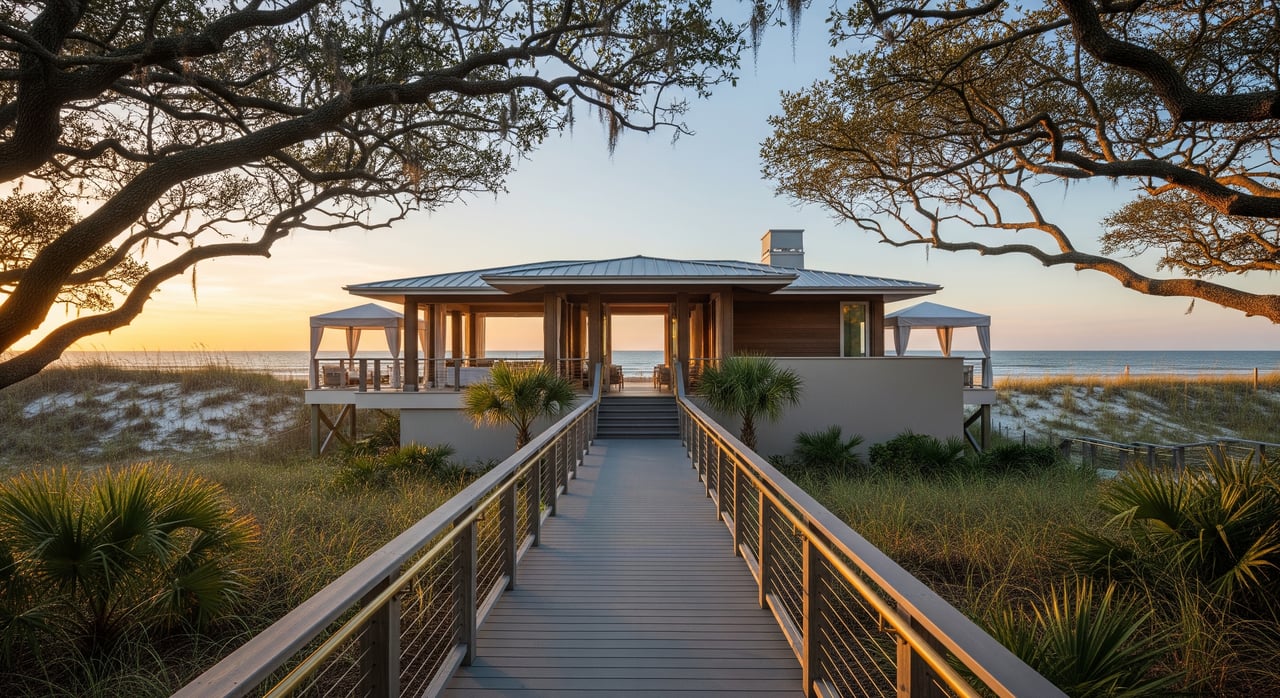
Private access is limited to members, resort guests, and invited guests. Many neighborhoods have deeded walkovers and private parking for residents. Public access is available at county crossovers and beach parks. Some sites have larger lots and amenities, while others are small paths with limited parking.
For many buyers, especially second-home and luxury buyers, proximity to a private club or a deeded access point is a top priority. That convenience is often priced into near-beach and oceanfront homes.
Private clubs: what to expect
Ponte Vedra Beach is known for resort and golf experiences. Private clubs shape day-to-day beach life, social calendars, and guest hosting.
Membership tiers and fees
Most clubs offer tiered memberships, such as full or equity golf, social or club, junior or young-executive, and non-resident. Benefits vary by tier and can include beach pavilions, dining, pools, fitness, spa, tennis, and golf.
Costs usually include an initiation fee plus monthly or annual dues. Some clubs may also have capital assessments, food and beverage minimums, cart or locker fees, and guest fees. Exact numbers change and are club-specific. You should verify current details directly with each membership office.
Access and guest policies
Private access is controlled through member IDs, key cards, or gate codes. Guest policies set how often you can host friends and which amenities they can use. Some clubs may offer reciprocal privileges with other clubs or resort partners, which is helpful if you split time between markets.
Local examples to explore
- Ponte Vedra Inn & Club: a historic resort club with beach, dining, pools, fitness, spa, tennis, and golf.
- TPC Sawgrass: a landmark golf venue with limited membership and high visibility during The Players Championship.
- Sawgrass-area private clubs and gated community beach associations: neighborhood facilities often include resident-only walkovers and parking.
Always confirm current offerings, availability, and transfer options with each club.
Public beach access and parking
Public access points line A1A in Ponte Vedra Beach. St. Johns County manages these crossovers and lots, which range from full beach parks to small paths.
Where you can go
Public crossovers are marked with signs. Some have restrooms, picnic areas, and seasonal lifeguards. Others offer a simple dune walkover with limited or no facilities. Oceanfront homeowners may have private stairs, but the public can use the wet sand area seaward of the mean high water line.
Parking and lifeguards
County parking varies by site. You may find metered spaces, permit requirements, or free parking depending on location and season. Spaces can fill quickly during peak times and major events like The Players. Lifeguard coverage is seasonal and generally focused on larger public access points. Confirm current locations and seasons with St. Johns County.
Beach rules to know
St. Johns County enforces beach rules to protect safety and the dunes. Common rules include:
- No overnight camping.
- Restrictions on fires or open burning; some activities may require permits.
- Regulations on dogs, which may include leashes or location restrictions.
- Beach driving is generally prohibited except at designated ramps if any are open.
The Sheriff’s Office and county code officers handle enforcement.
Laws that shape access
Understanding the shoreline helps you plan how you and your guests will reach the beach.
Public shoreline basics
Florida’s public trust doctrine protects public use of the foreshore, which is the wet sand area seaward of the mean high water line. Upland dry sand can be privately owned in many parts of Florida. The public cannot cross private upland areas unless there is a public access point or a legal easement.
HOAs, easements, and deeds
Some homes convey deeded beach access or a share of community walkovers and private parking. These rights are recorded and transfer with the property. Other communities give access by membership or homeowner status, which is a contractual right governed by HOA rules. You should review recorded easements and CC&Rs to understand what you own, what you can use, and any guest limits.
What this means for buyers
Beach access is a lifestyle choice and a cost choice. Think about how you will use the beach, who you will host, and how much you want to invest in amenities.
Lifestyle options at a glance
- Full private club or resort living: predictable parking, private beach facilities, security, and a full social scene. This often suits frequent hosts and those who want on-site services.
- HOA-managed private access: resident-only walkovers and parking for a quieter, neighborhood feel. You get convenience with generally lower costs than full club membership.
- Public-access lifestyle: full flexibility with no club dues. Expect shared spaces, seasonal crowds, and a bit more planning for parking and guest visits.
Key tradeoffs and costs
- Price premium: homes with deeded access, private walkovers, or club adjacency often command higher prices.
- Ongoing costs: HOA dues, club dues, initiation fees, assessments, and guest charges can add to your annual budget.
- Membership transfer: some clubs allow transfers with a property sale, while others require a new application and fees. Do not assume a membership transfers.
- Hosting and events: private clubs can simplify guest hosting. Public access homes may need more coordination for parking.
- Resale appeal: guaranteed access features, like recorded easements or transferable memberships, often attract second-home buyers.
Buyer checklist
Use this list to keep your due diligence focused and efficient:
- Is there deeded or recorded easement access from the property? Request the documents.
- If access is via an HOA or beach association, what are the rules, dues, guest policies, and recent meeting minutes?
- Near private clubs: which memberships are offered, which are mandatory, are any transferable, and what are current initiation and monthly fees?
- Which public access points do residents use most, and where can your guests park?
- Are there seasonal lifeguards nearby, and what are typical hours?
- Are any beach renourishment, dune restoration, or coastal construction projects planned that could affect beach width or access?
- What are current county rules for pets, bonfires, parking, and beach furniture?
- For oceanfront property: is the dry sand private or public, and does the deed confer any exclusive rights?
How we help
Choosing between club membership, HOA access, and public crossovers is a personal decision. You deserve a clear picture of the tradeoffs so you can buy with confidence. We combine local relationships with practical expertise to help you verify deeded access, review HOA documents, and coordinate with club membership offices. We also frame the impact on value, daily convenience, and resale.
When you are ready to narrow options and tour neighborhoods, connect with Jeanie Leapley & Joe Denny. Schedule a free consultation.
FAQs
What are the main types of beach access in Ponte Vedra Beach?
- You will see private access through clubs and HOAs, and public access through county crossovers and parking areas along A1A.
How do private club memberships typically work in Ponte Vedra Beach?
- Clubs offer tiers such as full golf, social, and non-resident, with initiation fees and dues; benefits vary and should be verified directly with each club.
Where can you find public beach parking in Ponte Vedra Beach?
- St. Johns County manages parking at various access points along A1A, with a mix of lots, metered spaces, permits, and limited street parking.
Are there lifeguards on Ponte Vedra Beach public areas?
- Lifeguard coverage is seasonal and typically located at larger county-managed access points; check current schedules with the county.
Are pets allowed on Ponte Vedra Beach?
- County rules regulate pets and often require leashes or restrict locations; review current ordinances before bringing a dog to the beach.
Does Florida law allow public use of the wet sand?
- Yes. The public trust doctrine protects use of the foreshore seaward of the mean high water line, while upland dry sand may be privately owned.
What should buyers ask about deeded beach access before making an offer?
- Ask for recorded easements, HOA rules, guest policies, and any transfer details for club memberships or community beach facilities.
Do club memberships transfer when you buy a home near a Ponte Vedra club?
- Some memberships may transfer while others require a new application and fees; confirm with the specific club before you assume transferability.