Salt air, storm-season winds, and flood exposure shape how Jacksonville Beach homes are built and how they age. If you are eyeing a place by the ocean, knowing a few key construction terms can help you read listings, tour homes with confidence, and ask the right questions during inspections. This guide breaks down the vocabulary you will see, what it means, and the quick checks that matter most near the coast. Let’s dive in.
Quick glossary for beach buyers
Structure and foundations
- CMU (concrete block): A masonry wall system often used in Florida. It resists rot and insects well and can perform better in wind when reinforced and tied into the structure. In salt environments, look for cracks, spalling, or rust stains that can signal reinforcement corrosion.
- Wood frame: Common and flexible for remodeling. Performance depends on proper flashing, moisture control, and smart cladding choices that stand up to salt and humidity.
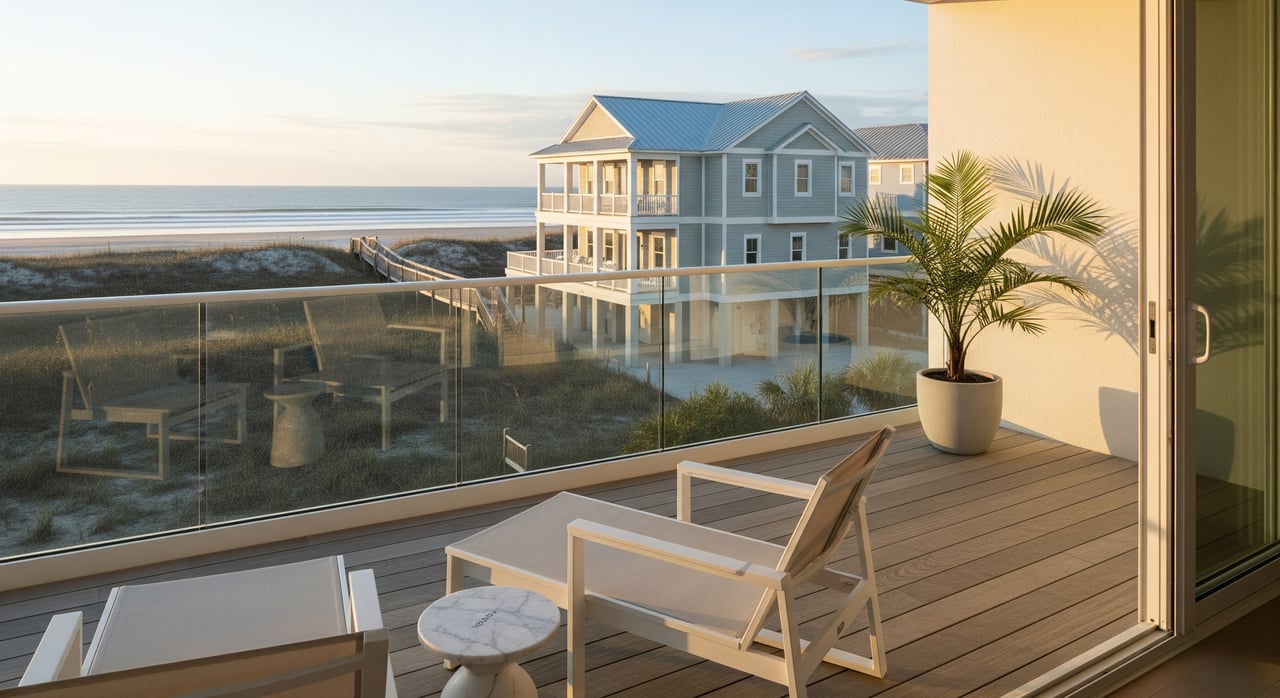
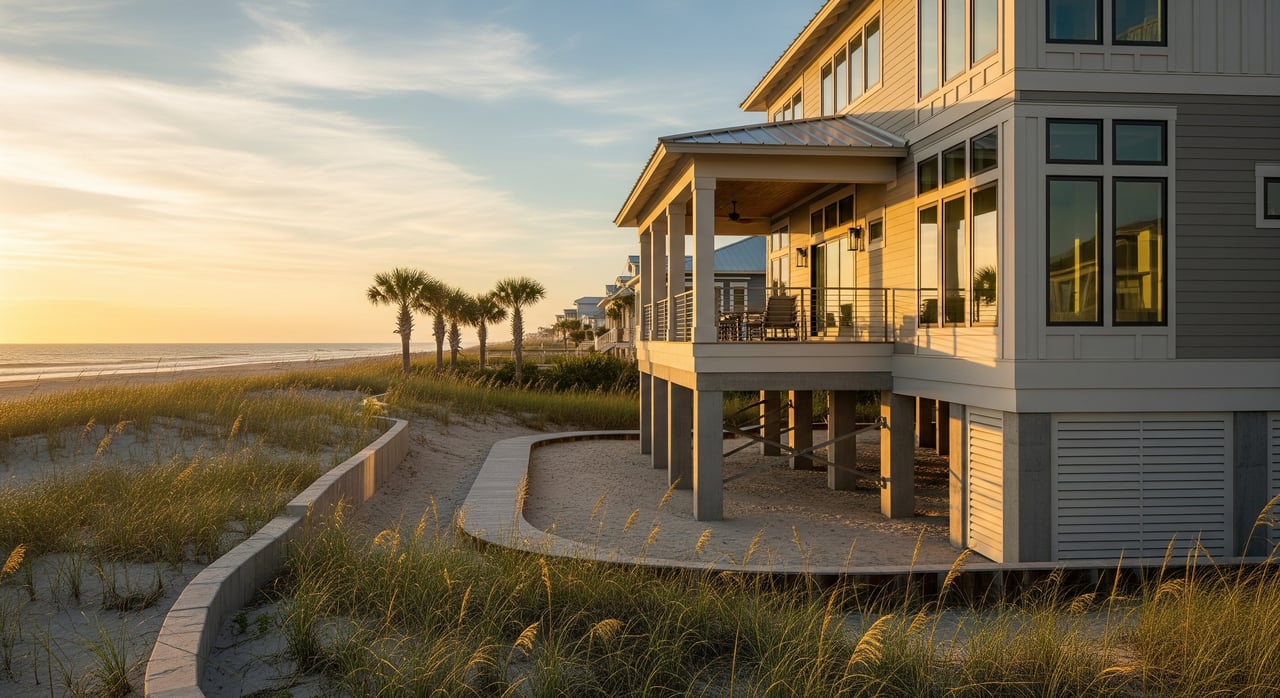
- Elevated or piled foundations: Many nearshore homes are elevated above Base Flood Elevation (BFE) using piles or pier-and-beam systems. Check visible piles, connections, and whether utilities sit above the likely flood level.
Roof and wind protection
- Roof materials: Asphalt shingles, metal standing seam, and tile are all common. Performance comes down to the full system: wind-rated roofing, corrosion-resistant flashing and fasteners, and secure roof-to-wall connections that create a continuous load path.
- Tie-downs and connectors: Look for hurricane straps and metal connectors that are hot-dip galvanized or stainless to resist corrosion.
Walls, cladding, and trim
- Stucco on block or frame: Can perform well if detailed with proper flashing and drainage. Poor detailing invites moisture.
- Fiber-cement and engineered siding: Durable against moisture and insects. Vinyl siding is lower maintenance but should meet appropriate wind ratings near the ocean.
- PVC and composite trim: Reduce rot risk compared with untreated wood.
Openings: impact-rated windows and doors
- Impact-rated openings: Windows and doors tested to standards such as ASTM E1886/E1996 for windborne debris and pressure cycling. You may also see Miami-Dade NOA or Florida Product Approval labels. If products are not impact rated, approved hurricane shutters are the alternative.
- Frames and hardware: Coastal-grade, corrosion-resistant components preserve function and appearance over time.
Corrosion, fasteners, and coatings
- Stainless 316 vs 304: 316 stainless is preferred near salt for better pitting resistance, while 304 may be acceptable in less exposed locations.
- Hot-dip galvanized: A common protective coating for connectors. Performance depends on coating thickness and exposure.
- Pressure-treated, ground-contact lumber: Use where wood touches soil or frequent moisture, such as deck posts.
- Coatings and paint: Marine-grade products add protection. Peeling, blistering, or rust streaks suggest coating failure.
What to look for at a showing
- Windows and doors: Scan for labels mentioning impact rating, ASTM E1886/E1996, Miami-Dade NOA, or Florida Product Approval. If labels are missing, plan to request documentation.
- Decks and stairs: Check connectors, post bases, and fasteners for heavy rust. Near the ocean, stainless 316 is a best practice.
- Gutters, flashing, metal trim: Look for pitting, rust stains, or peeling finishes that point to salt corrosion.
- Concrete and masonry: Watch for spalling, rust staining, exposed reinforcement, or white powdery efflorescence.
- Piles and elevated systems: Examine for cracking, deterioration, or corroded hardware at connections.
- HVAC and utilities: Confirm the outdoor unit, meter, and panels are elevated and appear free of corrosion.
- Roof condition: Note missing or lifted shingles, damaged flashing, or aging materials that may lack current wind ratings.
Documents to request before you commit
- Permit and inspection records for roofs, windows, structural work, elevation, and decks from the City of Jacksonville Beach or Duval County.
- Product approvals for impact-rated windows and doors, including installation instructions and any Miami-Dade NOA or Florida Product Approval details.
- Elevation certificate or survey showing finished floor elevation relative to BFE.
- Maintenance history for decks, roof, HVAC, and any corrosion protection or coating work.
- Foundation or piling reports, plus documentation of any post-storm repairs.
Red flags that merit follow-up
- Widespread rust on structural connectors or rebar staining on concrete.
- Unpermitted work in a coastal or flood zone.
- Missing or nonfunctional flood vents where required.
- Evidence of chronic water intrusion, mold, or rot.
- Older windows with no labeling or signs of prior impact damage.
Codes and approvals that matter here
- Florida Building Code (FBC): Sets statewide wind and structural requirements. Jacksonville Beach adopts and enforces the FBC with local amendments.
- Floodplain rules and FEMA maps: FEMA Flood Insurance Rate Maps establish zones and BFE, which drive elevation and anchoring requirements under NFIP.
- Product testing and approvals: Look for references to ASTM E1886/E1996, AAMA/WDMA/CSA ratings, Miami-Dade NOA, or Florida Product Approval on windows and doors.
- Material standards: ASTM and AWPA standards guide fasteners, galvanizing, and wood treatments suited for marine exposure.
- FEMA coastal guidance: Homeowner-focused publications like FEMA P-55 explain strategies that reduce flood and wind risk.
How materials affect upkeep and resale
Coastal-tuned materials can reduce maintenance, insurance friction, and future repair costs. Impact-rated openings, elevated systems above BFE, and corrosion-resistant hardware are attractive to buyers and insurers. Clear documentation strengthens your negotiation position and can streamline lending and insurance.
A simple pre-offer checklist
- Identify wall type: CMU or wood frame.
- Confirm foundation is elevated where required and note pile condition if visible.
- Check for impact-rated labels on windows and doors or confirmed shutter systems.
- Review roof age and visible attachment details.
- Inspect decks and stairs for stainless 316 or heavy-galvanized connectors.
- Look for corrosion on exterior metals and HVAC equipment.
- Request permits, product approvals, and the elevation certificate.
- Ask for maintenance logs and any piling or foundation reports.
Work with advisors who know the coast
You deserve a home that fits your lifestyle and stands up to the beach environment. With local relationships and technical insight into materials, approvals, and inspection priorities, you can move forward with clarity. If you are weighing options in Jacksonville Beach or nearby communities, connect with Jeanie & Joe to review a property’s coastal profile and plan next steps.
FAQs
What does “impact-rated” window mean in Florida?
- It is a window or door tested to standards such as ASTM E1886/E1996 for windborne debris and pressure cycling, often documented by a Miami-Dade NOA or Florida Product Approval label.
What is Base Flood Elevation (BFE) in Jacksonville Beach?
- BFE is the calculated flood level used to set minimum elevation requirements for construction, inspections, and insurance under local floodplain rules and NFIP.
Are metal roofs better near the ocean?
- Metal roofs can perform very well in wind and salt when installed with corrosion-resistant fasteners and flashing, but overall system detailing and maintenance matter most.
How do I verify my windows and doors are approved?
- Look for manufacturer labels that reference ASTM E1886/E1996, Miami-Dade NOA, or Florida Product Approval, and request product data and installation documentation from the seller.
What fasteners should be used for decks near salt air?
- Stainless 316 fasteners and connectors are widely recommended for coastal exposure, with hot-dip galvanized hardware as an alternative where appropriate.
Do ground-level enclosures need flood vents?
- In flood zones, enclosed areas below elevated living space often require compliant flood vents, which should be verified against local code and elevation requirements.