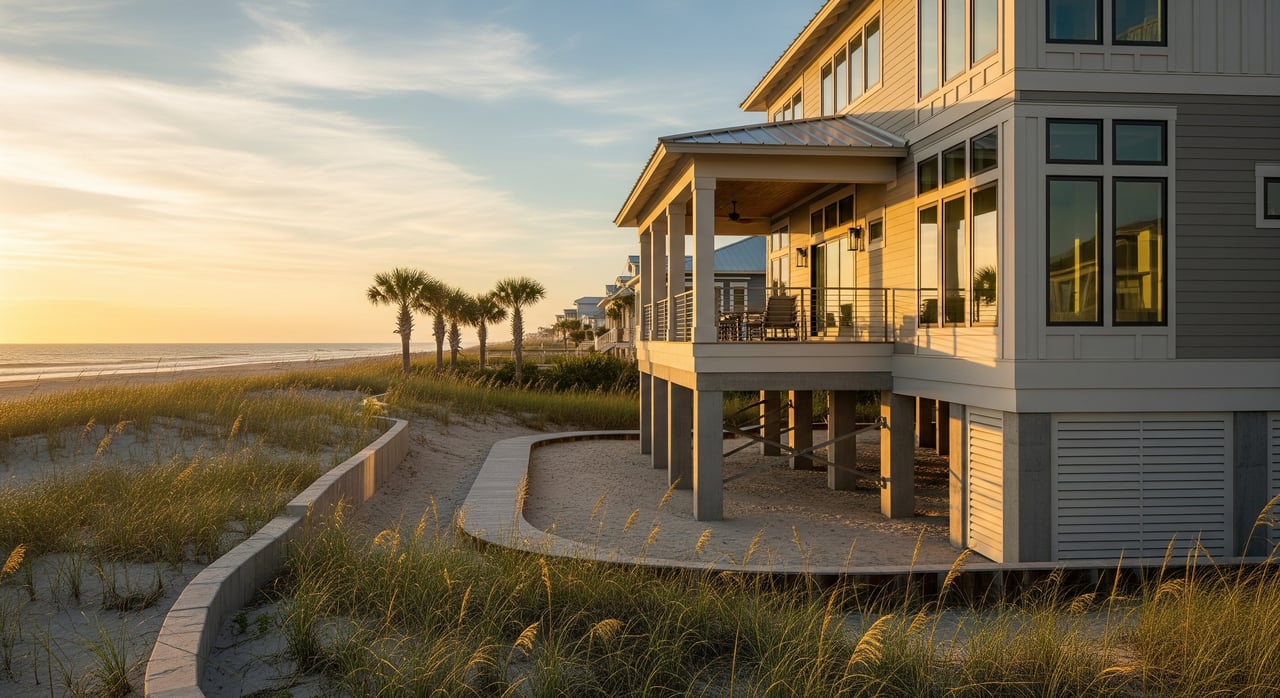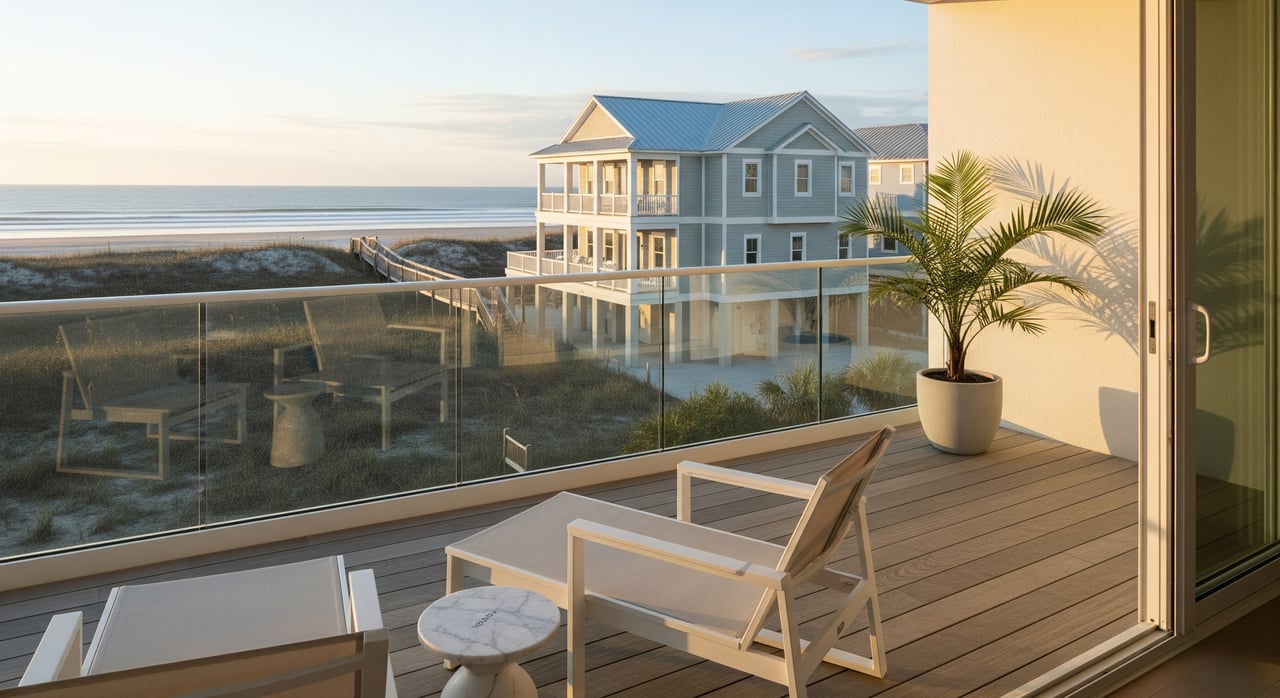
Are you comparing a condo and a single-family home in Jacksonville Beach and wondering which one will truly cost less each month? You are not alone. In a coastal market, the price you see is only part of the story. The real question is total cost of ownership, from HOA fees and insurance to flood risk and maintenance. In this guide, you will learn what drives costs here, how condo and single-family numbers differ, and a simple way to build a reliable monthly budget. Let’s dive in.
What really drives costs
Purchase price and financing
Your mortgage payment depends on the price, your down payment, and your loan terms. Condos can add an extra layer: lenders may apply stricter underwriting based on the building’s financial health and owner-occupancy ratios. If you need certain loan types, confirm whether the condo project is approved and whether any HOA delinquency or reserve shortfalls could affect your options.
Taxes in Duval County
Property taxes are calculated from assessed value times the local millage rate. Jacksonville Beach single-family lots often carry higher land value, which can push taxes higher than a condo with similar interior square footage. If the home will be your primary residence, ask how the Florida homestead exemption may reduce your taxable value and annual bill.
HOA fees and special assessments
Condo HOA fees are a major fixed cost because they roll up exterior maintenance, building insurance, reserves, and amenities. Single-family homes may have lower or no HOA fees, but you will take on exterior upkeep directly. The key risk for condos is special assessments for capital projects, especially in older coastal buildings. Always review the HOA budget, reserve study, financials, recent board minutes, and any notices about upcoming projects.
Insurance in coastal Florida
Insurance is a major driver on the coast. Single-family owners typically carry an HO-3 policy that covers the full structure and contents. Condo owners carry an HO-6 policy for interior improvements, personal property, and liability, while the association’s master policy covers the building per the declarations. Flood insurance may be required if the property is in a FEMA flood zone, and wind coverage in Florida often has separate deductibles. Ask for the condo master policy, the HO-6 requirements, flood zone details, and any wind mitigation reports. Wind mitigation features, such as roof-to-wall straps and impact-resistant openings, can reduce premiums.
Maintenance and repairs
With a single-family home, you control maintenance choices and timing, but you also bear the full cost of the roof, exterior, landscaping, and systems. A common rule of thumb is to reserve about 1 percent of the purchase price each year, adjusting for age and condition. With a condo, much of the exterior is handled by the association, yet you should still budget for interior items and the possibility of assessments if reserves are thin.
Utilities and local fees
Electricity usage can run higher in coastal Florida due to air conditioning needs. Condos may be more efficient than similarly located houses because of shared walls and smaller volume. Some condo fees include water, sewer, trash, or internet, which reduces separate monthly bills. In single-family homes, you will likely pay utilities directly. Check recent statements or HOA inclusions before you finalize your numbers.
Rentals and resale impact
Resale dynamics differ. Single-family homes in beach areas can benefit from land appreciation. Condos can be more sensitive to building condition and HOA governance. If you plan to rent, confirm city rules and HOA restrictions for lease minimums or short-term rentals, since these rules also influence financing and buyer demand.
Jacksonville Beach factors that change the math
Flood zones and elevation
Parts of Jacksonville Beach fall in FEMA flood zones such as AE or VE. Premiums depend on the zone, the building’s base flood elevation, and the elevation of the structure. An elevation certificate can help you get accurate quotes and understand your risk.
Hurricane exposure and wind mitigation
Florida windstorm deductibles are often a percentage of the insured amount, which can create significant out-of-pocket costs after a storm. Wind mitigation features and documentation can materially reduce premiums. For condos, ask how the master policy handles wind coverage and what the deductibles are.
Building age, seawalls, and capital projects
Older coastal buildings often face balcony, concrete, roof, or elevator projects. Waterfront communities may need seawall repairs. These are common triggers for large special assessments. Review engineer reports, recent project history, and any planning documents to spot upcoming costs.
HOA financial health
Strong associations maintain current reserve studies, adequate reserve funding, and transparent budgets. Warning signs include prolonged deferred maintenance, high delinquency, or ongoing litigation. Financial health affects monthly fees, assessment risk, and even financing.
Build your monthly TCO
Use this simple formula to compare options side by side:
- Monthly TCO = Mortgage principal and interest + (Annual property taxes ÷ 12) + (Homeowners, flood, and wind insurance ÷ 12) + HOA fee (if any) + Average monthly utilities + Maintenance reserve + Special assessment reserve + Other local fees
Maintenance reserve guidelines
- Single-family: set aside about 1 percent of the purchase price per year for routine maintenance and small capital items. Increase this if the home is older or has major systems nearing end of life.
- Condo: budget about 0.25 to 1 percent of the unit value per year for interior systems, finishes, and potential deductible or assessment obligations, even when the HOA covers exterior elements.
Insurance estimating tips
- Single-family: get an HO-3 quote for full replacement cost, plus a flood quote if the home is in a mapped flood zone. Note the wind or hurricane deductible and how it affects your cash reserves.
- Condo: get an HO-6 quote that reflects the interior scope defined by the condo declarations, and request the master policy declaration page and deductible schedule. Confirm flood coverage details at both the building and unit level as applicable.
Example comparison, for illustration only
Below is a sample framework that shows how costs can stack up. Replace all figures with verified local quotes for the property you choose.
- Condo example inputs: monthly mortgage per lender, taxes based on assessed value, HOA fee that includes exterior maintenance and reserves, HO-6 premium divided by 12, flood premium if required, utilities such as electric and internet, maintenance reserve for interior items, and a small assessment reserve if the HOA reserves appear tight.
- Single-family example inputs: monthly mortgage per lender, taxes based on assessed value, any modest HOA fee or none, HO-3 premium divided by 12, flood premium if required, electric, water and sewer, internet, a 1 percent annual maintenance reserve divided by 12, and a contingency for exterior capital items.
The point of the exercise is not the exact number on day one. It is to compare fixed costs, estimate variable items realistically, and highlight where your risk sits.
Stress test your budget
Ask yourself a few what-ifs before you commit:
- What if the HOA increases fees by 10 to 30 percent over the next five years?
- What if a one-time assessment is needed for a roof, concrete, or seawall project? How would you fund it?
- What if insurance premiums rise 20 to 40 percent after an active storm season?
- What if rental rules change your ability to offset costs with longer or shorter leases?
What to review before you write an offer
For any condo
- Full HOA packet: bylaws and rules, budget, reserve study, most recent financial statements, master insurance declarations, and meeting minutes from the last 12 to 24 months.
- Any building inspection or engineer reports, plus elevator and waterproofing records.
- Details on pending litigation, current assessments, owner-occupancy ratio, and delinquency rate.
For single-family homes
- Seller disclosures, any recent inspection, and ages of the roof, HVAC, and water heaters.
- Permits for major work such as roof replacement or additions.
- If waterfront, the condition and maintenance history of any seawall or shoreline protection.
For both property types
- Duval County Property Appraiser record for assessed value and tax history.
- FEMA flood map lookup and any elevation certificate.
- Recent utility bills from the owner or HOA to confirm average monthly usage and costs.
- City code or HOA documentation on rental restrictions and any special district fees.
Questions for the HOA and your lender
- What exactly does the monthly fee cover and what are the master policy deductibles?
- How much is in reserves and when was the last reserve study completed?
- Are any capital projects planned, and how will they be funded?
- Is the condo project eligible for the loan type you plan to use?
Next steps to zero in on local numbers
- Pull recent median prices and active listings for both condos and single-family homes in Jacksonville Beach to understand your target range.
- Use the property appraiser’s site to estimate real taxes for addresses you like, then divide by 12.
- Request the condo’s budget, reserve study, and master insurance declarations before you make an offer.
- Ask for 12 months of utility bills to create a realistic monthly average.
- Obtain insurance quotes for both the homeowners policy and flood coverage, and request wind mitigation inspections or documentation.
- Build a simple spreadsheet using the TCO formula, then run low, mid, and high scenarios for HOA fee changes, insurance increases, and a one-time assessment.
Choosing between a condo and a single-family home in Jacksonville Beach comes down to your lifestyle preferences and how you want to allocate risk. Condos typically offer convenience and predictable exterior upkeep wrapped into the HOA, balanced by assessment exposure and rules. Single-family homes provide control and flexibility, balanced by higher hands-on maintenance and full-structure insurance. If you want a clear, personalized comparison for a specific property, Jeanie & Joe can help you price every line item so you can buy with confidence. Schedule a free consultation with Jeanie Leapley & Joe Denny.
FAQs
What costs make condos more expensive in Jacksonville Beach?
- HOA fees that include exterior maintenance, reserves, and master insurance are the biggest fixed costs, plus the potential for special assessments in older coastal buildings.
Do I need flood insurance to buy near the beach in Duval County?
- If a property sits in a mapped FEMA flood zone and you carry a mortgage, your lender will typically require flood insurance; premiums depend on zone and elevation.
What is an HO-6 policy for a condo owner?
- An HO-6 covers interior finishes, personal property, and liability for your unit, while the association’s master policy covers the building per the condo declarations.
How much should I budget for single-family maintenance at the beach?
- A common starting point is about 1 percent of the home’s purchase price per year, adjusted for age, condition, and features like pools or complex exteriors.
How do windstorm deductibles affect my Florida insurance costs?
- Wind or hurricane deductibles are often percentage-based, which increases your out-of-pocket exposure after a storm; this should be factored into your cash reserves.
What documents should I review before buying a Jacksonville Beach condo?
- Ask for the HOA budget, reserve study, financials, master policy declarations, recent meeting minutes, and any engineering reports, plus information on assessments and litigation.