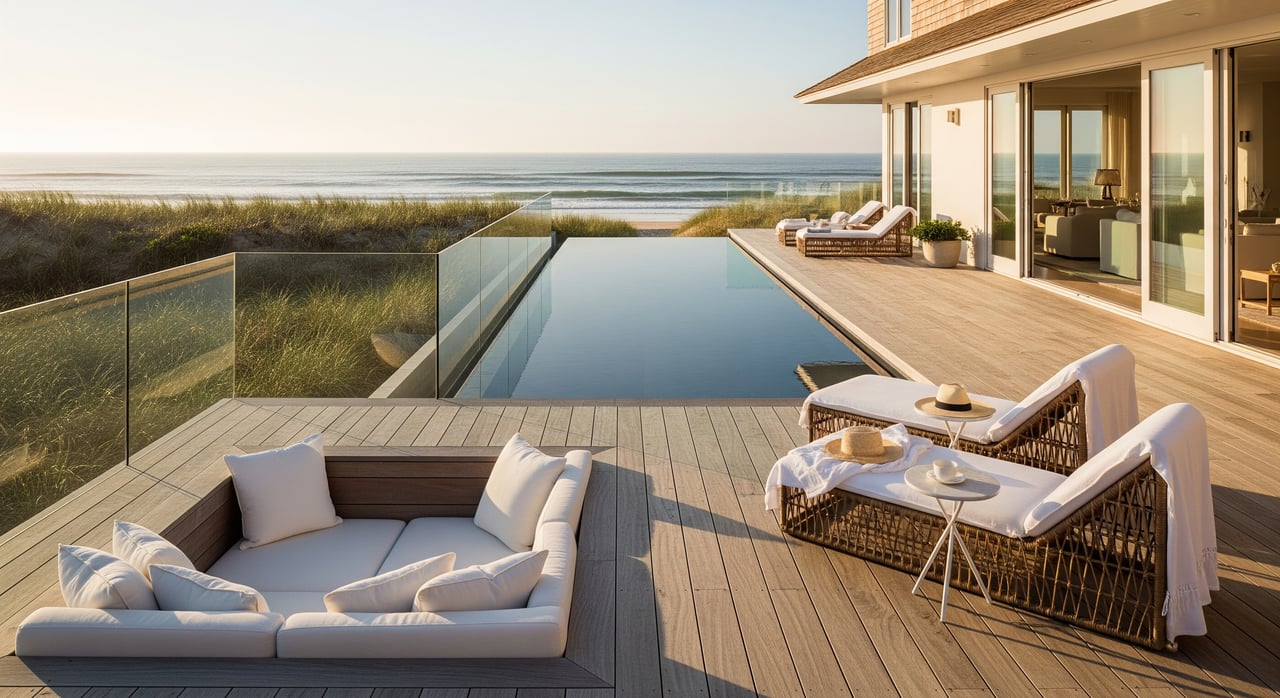
What would your day look like if the ocean were your backyard? In Jacksonville Beach, mornings often start with salt air and an easy walk to the sand, while evenings wind down with live music or a simple sunset stroll. If you are considering a move, you want to know not just where you might live but how you will live. This guide walks you through a typical day, the places you will frequent, and the practical details that help you choose with confidence. Let’s dive in.
Morning on the sand
Sunrise is a favorite hour. You will see runners, surfers watching the sets, and dog walkers moving along the public beach access points. Early mornings feel local and unhurried, especially outside peak season. Seasonal lifeguard hours begin later in the day, so many residents prefer dawn for a quiet swim or a beach walk.
Coffee follows quickly. You can grab a seat at a café near Beaches Town Center or pick up breakfast along Atlantic Boulevard. It is common to see remote workers setting up with Wi‑Fi, surfers fueling up after a session, and parents heading to school dropoff.
If you have school‑age children, mornings include dropoff for Duval County public or nearby private schools. After‑school rhythms often circle back to the coast, with casual beach volleyball or soccer once homework is done.
Midday movement and errands
Workdays in Jacksonville Beach are flexible. Some residents commute to downtown Jacksonville or nearby business parks. Others work locally or from home and use neighborhood cafés as daytime offices. Several streets are walkable, though many residents still rely on cars for errands or commutes.
When the sun is high, the beach is a magnet. You will see laid‑back sunbathing, fishing near the pier, and pickup volleyball games. If you are not in the mood for sand, you can browse boutiques and surf shops or handle errands in small retail clusters in and around Beaches Town Center. For larger stores and full‑service supermarkets, most people make a short drive inland.
Afternoons outside
Afternoons are made for movement. Surf sessions and stand‑up paddleboarding are common, and you will spot people cruising the shoreline on bikes. If you prefer a change of scenery, local parks offer green space, paths, and playgrounds. The broader Beaches and Mayport areas provide water access for boating and fishing as well.
Families use parks and community pools most in the late afternoon. Weekends tend to be busier, and you will see more visitors near the pier and Town Center. Inland residential streets remain quieter and feel more neighborhood‑oriented.
Evenings and weekends
As the day cools, dining and music take over. Waterfront restaurants, beach bars, and spots around the pier and Town Center host steady dinner crowds. Live music appears often, especially on weekends, and many places welcome casual attire that reflects the coastal vibe.
Sunset is a small ritual. Locals gather at the beach, the pier, or a nearby park to watch the colors change. Afterward, some head home to quiet residential streets while others linger for a nightcap.
Seasonality shapes weekends. Summer brings more visitors, heavier parking demand, and a lively calendar of festivals, concerts, and charity runs. Late fall into winter tends to be calmer, which many year‑round residents enjoy for relaxed beach time.
Places that shape your day
Beaches Town Center
This is a hub for dining, shopping, and casual nightlife. You can walk to breakfast, swing back for lunch, browse a few boutiques, then return for dinner and live music. Social life often centers here, especially on weekends.
Jacksonville Beach Pier
The pier serves as a local landmark and gathering spot for fishing, sightseeing, and special events. It is a useful reference point for meeting friends and a great place for sunrise and sunset views.
Parks and green space
Neighborhood parks and memorial plazas give you room to run, stretch, and relax away from the sand. Larger regional parks nearby add freshwater lakes, longer trails, and picnic areas. These options round out the outdoor lifestyle when you want a break from the ocean.
Fitness and wellness
You will find a mix of gyms, yoga and Pilates studios, surf schools, and paddleboard rentals. Rec centers and beach volleyball courts support adult leagues and youth sports. The area’s active vibe encourages a daily routine built around movement.
Schools and healthcare
Families can access Duval County public schools along with local private options. School zoning depends on home address, so confirm the exact assignment for your property search. For healthcare, urgent care and primary care clinics serve immediate needs, while major hospitals and specialists are a practical drive into Jacksonville.
Practical living insights
Parking and traffic
Parking near the beachfront and Town Center fills quickly on weekend afternoons and holidays. Plan for earlier arrivals during peak season and watch for posted rules, timed parking, or permit areas. Residential properties with a driveway or garage are valuable when hosting guests.
Noise and neighborhood fit
Beachfront and Town Center areas offer walkable fun but include more activity, especially at night. If you prefer quieter evenings, consider streets set a bit inland. Each micro‑area has a different profile for visitors, parking, and noise, so preview at different times of day.
Flood, wind, and insurance
Much of Jacksonville Beach sits within FEMA‑mapped flood zones. Lenders may require flood insurance, and windstorm coverage is a common added cost near the coast. Newer or renovated homes often incorporate higher elevations and wind‑mitigation features that can influence premiums. Before you write an offer, plan to review any elevation certificates, building updates, and insurance quotes.
Short‑term rentals and HOAs
Short‑term rental rules vary by municipality and sometimes by neighborhood or building. If you are considering rental income, verify local regulations, taxes, and any HOA or condo policies. HOA and condo fees can cover insurance, exterior maintenance, amenities, and reserves, which affect monthly costs and long‑term planning.
Commutes and connectivity
Depending on where you live and when you leave, the commute to downtown Jacksonville can range roughly 15 to 45 minutes. Many people work locally or remotely to take full advantage of the beach lifestyle. Reliable home internet and access to cafés or co‑working spaces make remote work convenient.
Homes that fit the lifestyle
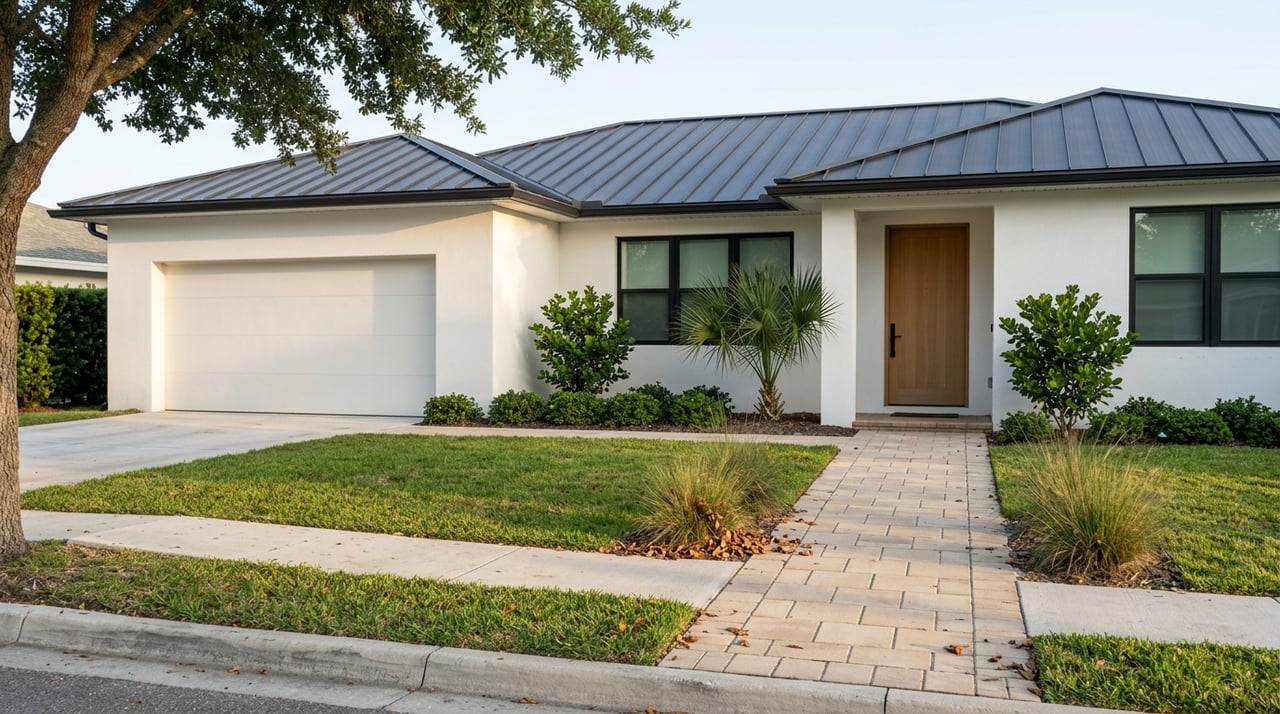
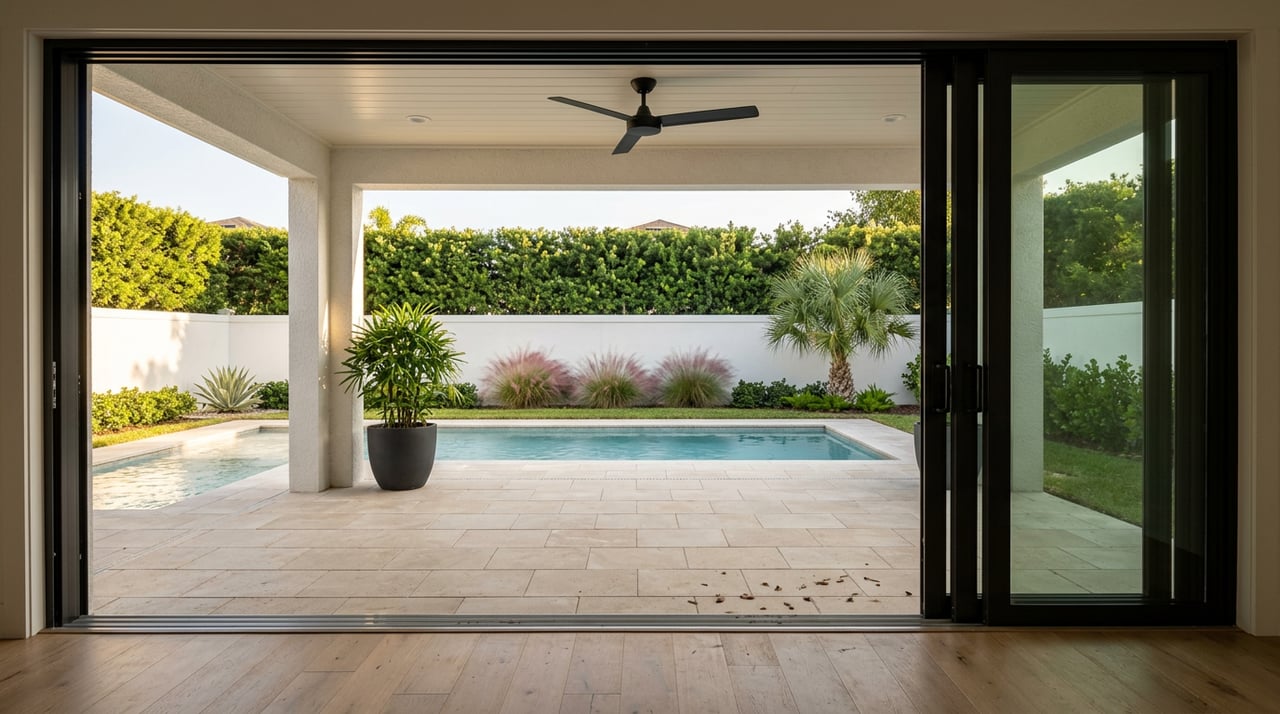
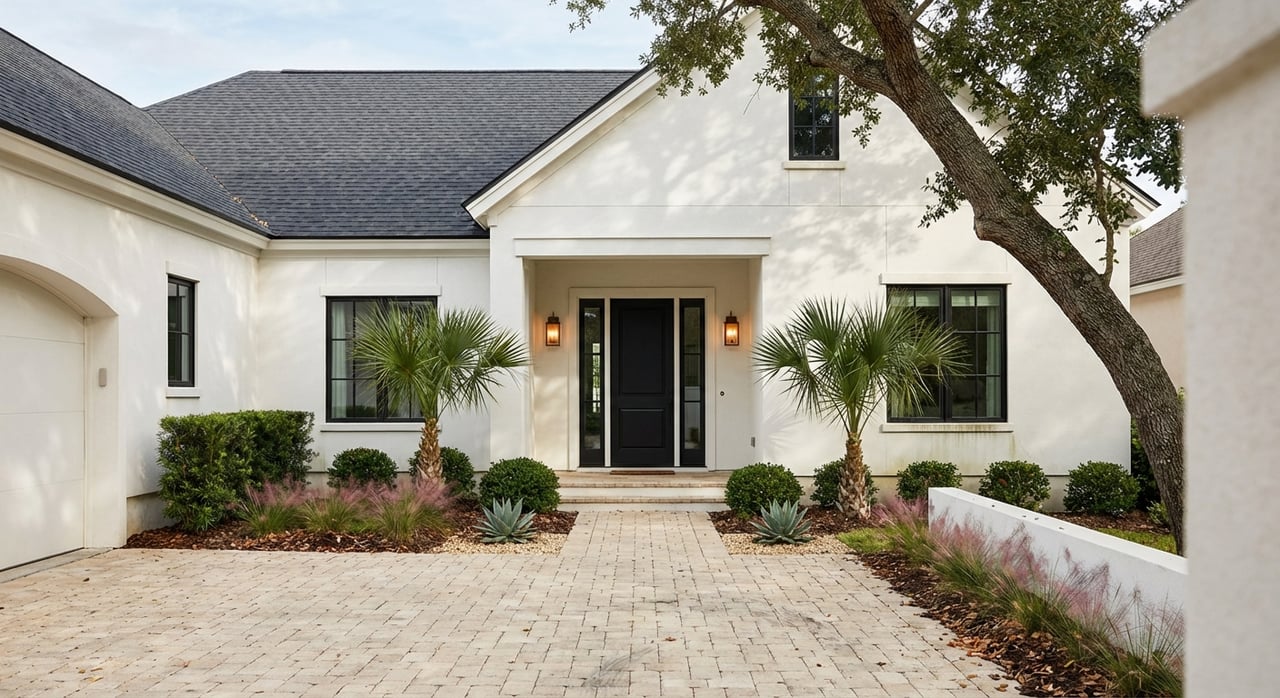
Jacksonville Beach offers a mix of housing types. You will find older beach cottages, renovated single‑family homes, low‑rise and mid‑rise condos, and newer infill construction. Many buyers choose condos for low‑maintenance living and walkable access to dining, shops, and the shoreline. Single‑family homes often provide more privacy, storage, and parking.
If you love the energy of the beach, a condo near the pier or Town Center may fit your lifestyle. Expect a more active environment with easier access to nightlife and events. If you prefer a calmer feel, inland streets offer quieter evenings and a neighborhood rhythm, with the beach just a short bike ride away.
When comparing options, keep a simple checklist:
- Location and lifestyle: proximity to the beach, dining, and parks.
- Parking and storage: garage, driveway, or assigned parking; room for bikes and boards.
- HOA or condo fees: what they cover and how reserves are managed.
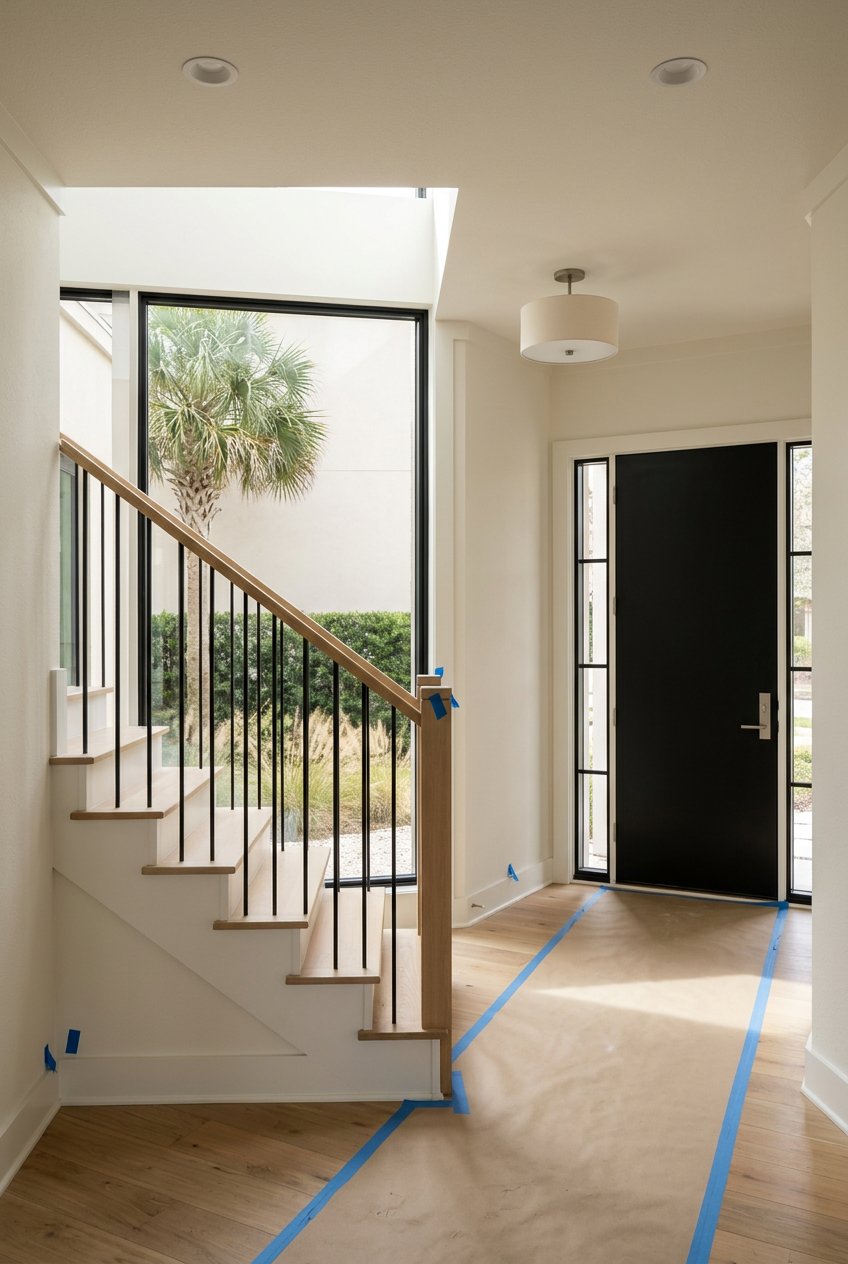
- Building and systems: roof age, windows, elevation, and wind‑mitigation features.
- Insurance: flood and wind coverage requirements and estimated premiums.
- Rental rules: short‑term or long‑term policies and any city registration.
How we help you buy well
Choosing in a coastal market is about more than bedroom counts and finishes. You want a clear view of daily life, plus confidence in the property’s fundamentals. Our approach is lifestyle‑first and detail‑focused. We help you weigh location tradeoffs, read the neighborhood rhythm, and evaluate the construction and maintenance details that affect long‑term value.
We combine local insight with technical perspective to guide you through flood and wind considerations, HOA or condo documents, and neighborhood dynamics. The result is a purchase that fits how you want to live today and protects your plans for tomorrow.
Ready to explore homes that match your rhythm in Jacksonville Beach? Connect with Jeanie Leapley & Joe Denny to talk through your goals and next steps.
FAQs
How crowded are Jacksonville Beach shores by season?
- Summer and holiday weekends are busiest, especially afternoons near the pier and Town Center, while late fall through winter generally feels quieter.
Where do residents park near the pier and Town Center on weekends?
- Public lots and street parking exist but fill quickly on busy days, so early arrivals and awareness of posted time limits or permits are smart.
What should I consider about HOA or condo fees for oceanfront condos?
- Fees often cover exterior maintenance, amenities, insurance, and reserves, so review what is included and how reserves support long‑term upkeep.
How do flood zones and wind insurance affect buying at Jacksonville Beach?
- Many properties require flood and wind coverage, and newer wind‑mitigation features or higher elevations can influence insurability and premiums.
Are pets allowed on Jacksonville Beach?
- Pet access rules vary by time and location, and city regulations may change seasonally, so check posted signage before heading out.
What are school options for a Jacksonville Beach address in Duval County?
- Families can access Duval County public schools and local private options, with specific public school assignments based on home address.
How long is the commute from Jacksonville Beach to downtown Jacksonville?
- Typical drive times range from about 15 to 45 minutes depending on your exact location and time of day.
What should I know about short‑term rental rules in Jacksonville Beach?
- Policies vary by municipality and sometimes by neighborhood or building, so confirm city requirements and HOA or condo rules before you buy.