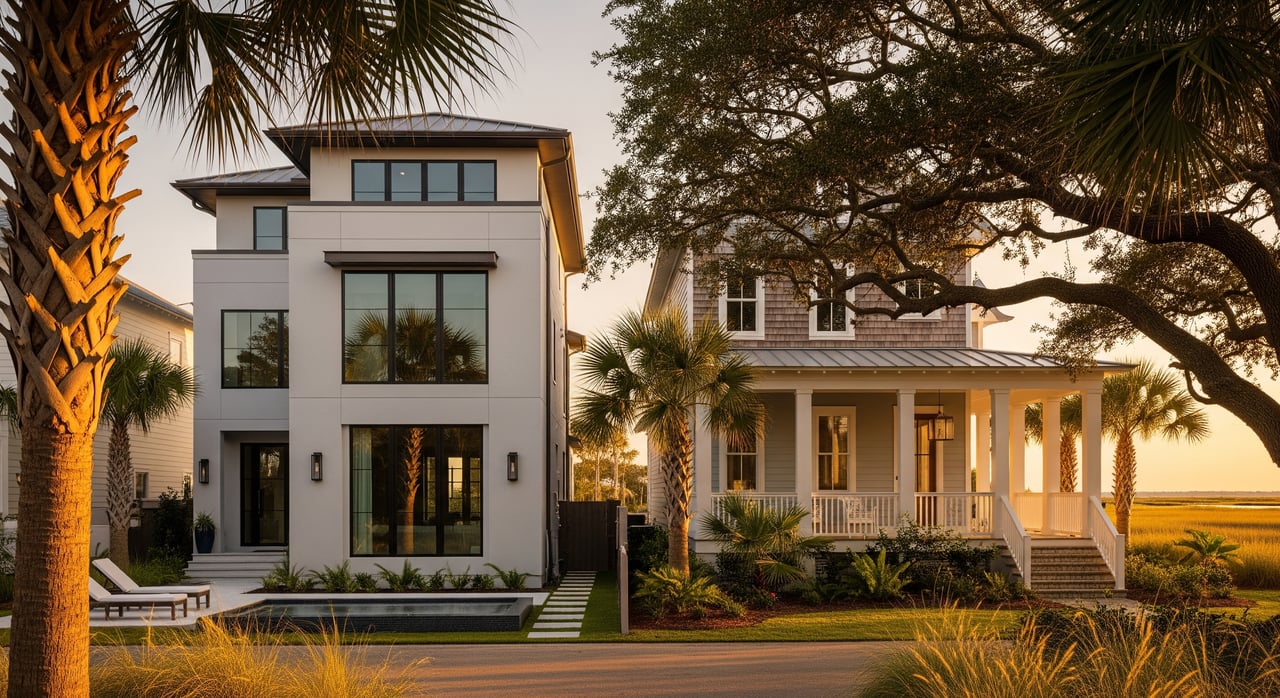
Are you deciding between building new or buying a resale home in Nocatee? You are not alone. With resort-style amenities, thoughtful planning, and convenient access to Ponte Vedra and Jacksonville, Nocatee draws buyers at every life stage. The choice comes down to your timeline, budget control, and how much customization you want. In this guide, you will learn how new construction compares with resale in Nocatee, what to expect from each path, and how to protect your interests from contract to closing. Let’s dive in.
Nocatee at a glance
Nocatee is a master-planned community in St. Johns County with villages that offer different home types and lifestyles. You will find amenity centers, trails, parks, community events, and a range of single-family and townhome options. Many buyers also consider the draw of St. Johns County public schools. Always verify school assignments directly with the district before you make a decision.
As you compare homes, factor in both HOA dues and possible Community Development District (CDD) assessments. In many Florida master-planned communities, CDDs help fund infrastructure and show up as recurring assessments on your tax bill. These carrying costs affect monthly budgets and resale comparisons across villages.
Building new in Nocatee: what to expect
Timeline and process
The new-build journey involves several steps: selecting your lot and plan, signing the builder contract, paying deposits, choosing options, permitting and site work, vertical construction, inspections and punch list, and then closing. A to-be-built home commonly takes about 5 to 12 months from contract to closing, depending on permitting, weather, lot conditions, and builder backlog. Inventory or spec homes can close faster, often in 30 to 90 days when construction is already underway.
Pricing and incentives
Your total price includes the base price for the plan, any lot premium, and your selected structural options and design upgrades. Builders may offer incentives that change often, such as closing cost credits, rate buydowns, or upgrade packages. Keep a close eye on change orders and design center selections. Upgrades are priced at the builder’s markup, and small choices can add up quickly.
Warranties and inspections
Most builders provide a structured warranty, often 1 year for workmanship, 2 years for systems, and 10 years for major structural components. Make sure you review the exact written warranty for coverage, exclusions, and claim procedures, and confirm whether it transfers on resale. Even with brand-new homes, plan for independent inspections. A pre-drywall inspection, a final inspection before closing, and an 11-month warranty walk help you document issues and keep the builder accountable. Some builders limit access at certain stages, so confirm inspection scheduling in writing.
Financing and contract terms
Builders often pair promotions with their preferred lenders. Compare those offers with independent lenders so you understand rates, points, and true net savings. Many builder contracts limit traditional buyer protections, such as appraisal and financing contingencies. Review deposit structures, when funds become non-refundable, and what happens if an appraisal comes in low. Clarify timing for closing and remedies if delays occur.
Community factors and risks
In a large master-planned setting, amenities may be phased. Confirm what is complete today, what is planned, and the expected timing. New-home inventory can also affect near-term resale for recently built homes. If the neighborhood continues to deliver new homes similar to yours, short-term appreciation may be more modest. Premium lots can command higher prices during construction, but not all lot premiums convert to higher resale value if many similar lots remain.
Buying resale in Nocatee: what to expect
Inventory and product mix
Resale opportunities range from earlier-phase single-family homes to townhomes and recently built properties. You may find established streetscapes, mature landscaping, and finished amenities. Inventory levels shift with the market, so focus on the product type and village that match your needs and budget.
Due diligence and condition
Plan for standard inspections, including a general home inspection, WDO/termite, and roof and HVAC checks. If a newer resale still carries a builder warranty, confirm transfer terms and remaining coverage. You may choose to update finishes or systems after closing, so keep a realistic budget for immediate improvements.
Timeline and negotiation
Most resale purchases follow traditional timelines: an inspection period of about 7 to 15 days, appraisal if you are financing, and closing in roughly 30 to 45 days, subject to the contract and lender. You may have more room to negotiate on price, closing costs, or repair credits, depending on market conditions.
Resale value drivers
Condition, village location, and neutral, market-friendly upgrades help resale homes compete well. Recent resales often attract buyers who want newer features without waiting to build. Established comparable sales make valuation and appraisal more straightforward.
New vs resale: how to choose
Timeline to keys
- New construction: plan on about 5 to 12 months from contract to close for a to-be-built home, with inventory homes sometimes closing in 30 to 90 days.
- Resale: typically 30 to 60 days, depending on financing and seller timing.
Design control
- New construction: high design control with plan, structural options, and finish choices.
- Resale: lower design control at purchase, though you can renovate post-close.
Cost predictability
- New construction: base price, lot premiums, and upgrade choices can move the budget. Incentives help, but change orders add risk.
- Resale: price is negotiated upfront. You may secure repair credits and avoid upgrade markups, but plan for post-close improvements.
Warranties and risk
- New construction: structured warranty coverage with a clear process for repairs and claims.
- Resale: rely on inspections and disclosures, with warranty transfer only when applicable.
Financing and contingencies
- New construction: some contracts limit appraisal or financing protections and tie incentives to a builder’s lender.
- Resale: traditional contingencies are common and lender choice is wider.
Resale outlook
- New construction: potential value based on timing and demand, with near-term appreciation influenced by ongoing new-home supply nearby.
- Resale: value reflects home condition, location within the community, and upgrade choices, with established comps supporting appraisals.
When building new makes sense
- You want specific layouts and finishes tailored to your lifestyle.
- Your timeline is flexible and you can manage construction uncertainty.
- You value warranty coverage for systems and structure.
- Market conditions make builder promotions attractive for your budget.
When resale makes sense
- You need to move within 30 to 60 days or are relocating on a schedule.
- You prefer traditional contingencies and negotiated repair credits.
- You want a finished streetscape and completed amenities.
- You would rather see the exact home and setting before you buy.
Local due diligence checklist for Nocatee buyers
- Confirm HOA dues, reserve policies, and rules that affect rentals and exterior changes.
- Verify any CDD assessments and understand how they appear on the tax bill.
- Check current school assignments with the district, since boundaries can change.
- Review FEMA flood maps and consult insurance professionals about homeowners and flood insurance, including wind-mitigation credits.
- Ask about amenity status: what is open now and what is planned, including timing.
- For new builds, confirm permit status and typical permit timelines with the county.
- Verify builder licensing and track records with the appropriate state resources.
- Coordinate with your title company on association documents, CDD disclosures, and any recorded encumbrances.
Why your representation matters with builders
The on-site sales team represents the builder’s interests. Your agent protects you during contract review, inspections, and closing. In Nocatee, where builder contracts vary and incentives change, experienced buyer representation helps you compare options and avoid surprises.
How your agent should protect you
- Review the builder contract for limited remedies, tight timelines, liquidated damages, and arbitration or mediation clauses.
- Confirm deposit schedules, when funds become non-refundable, and refund scenarios.
- Compare builder lender offers with independent quotes to assess true value of promotions.
- Audit upgrade pricing to help you decide what to buy now and what to add post-close.
- Schedule independent inspections at key stages and document findings for repairs.
- Maintain a punch list and track warranty claims and deadlines.
- Coordinate with your lender and title team to align closing timelines and collect HOA/CDD documentation.
- Prepare comps and upgrade summaries for the appraiser to help prevent appraisal gaps.
For contract interpretation or construction claim procedures, consider consulting a Florida-licensed real estate attorney. Clear guidance early can prevent costly issues later.
Ready to compare your best options?
Whether you build new or buy resale in Nocatee, the right plan reflects your timing, cost comfort, and design goals. If you want high customization and warranty coverage, new construction can be a great fit. If you want speed, established streetscapes, and negotiation flexibility, resale can offer strong value. If you would like a tailored side-by-side analysis of villages, incentives, and recent comps, connect with Jeanie Leapley & Joe Denny to schedule a free consultation.
FAQs
How long does it take to build a new home in Nocatee?
- Most to-be-built homes close in about 5 to 12 months, while inventory homes may close in 30 to 90 days, depending on the builder and permitting.
What timeline should I expect for a resale purchase in Nocatee?
- Resale closings often take about 30 to 45 days with financing, following an inspection period and appraisal, subject to contract terms.
What is a CDD and how does it affect my Nocatee home budget?
- A Community Development District can levy assessments that appear on your tax bill, which adds to your carrying costs and impacts resale comparisons.
Can I use my own inspector on a new-construction home in Nocatee?
- Yes, independent inspections are recommended, though builders may set rules on access and timing; get scheduling rights confirmed in writing.
Do new homes in Nocatee come with a warranty?
- Many builders provide a structured warranty, often covering workmanship for 1 year, systems for 2 years, and major structure for 10 years; review specifics.
How do builder incentives compare with using my own lender?
- Incentives can be valuable but may require the builder’s lender; compare rates, points, and credits with independent quotes to see your true net benefit.
Will ongoing new-home construction affect my near-term resale?
- Ongoing new-home supply nearby can temper short-term appreciation for recently built homes; timing and neighborhood activity matter.